Bedeutung des Wortes negative auf Deutsch
Was bedeutet negative auf Englisch? Erfahren Sie mit Lingoland die Bedeutung, Aussprache und spezifische Verwendung dieses Wortes
negative
US /ˈneɡ.ə.t̬ɪv/
UK /ˈneɡ.ə.tɪv/
Adjektiv
1.
negativ, verneinend
expressing or implying denial, disagreement, or refusal
Beispiel:
•
She gave a negative answer to the proposal.
Sie gab eine negative Antwort auf den Vorschlag.
•
The test results were negative for the virus.
Die Testergebnisse waren negativ für das Virus.
Antonym:
2.
negativ, schädlich
having a bad or harmful effect
Beispiel:
•
Smoking has many negative effects on health.
Rauchen hat viele negative Auswirkungen auf die Gesundheit.
•
The news had a negative impact on the stock market.
Die Nachrichten hatten einen negativen Einfluss auf den Aktienmarkt.
Antonym:
3.
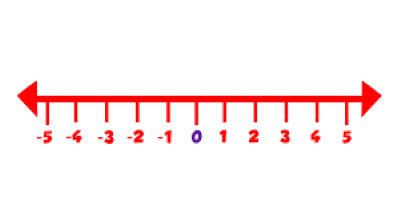
negativ, minus
less than zero; involving a reduction
Beispiel:
•
The temperature dropped to negative five degrees Celsius.
Die Temperatur sank auf minus fünf Grad Celsius.
•
The company reported negative growth for the quarter.
Das Unternehmen meldete ein negatives Wachstum für das Quartal.
Substantiv
1.
Negativ, Ablehnung
a word or statement that expresses denial, disagreement, or refusal
Beispiel:
•
He responded with a firm negative.
Er antwortete mit einem klaren Nein.
•
The vote was 10 for and 5 negative.
Die Abstimmung war 10 dafür und 5 dagegen.
Antonym:
2.
Negativ
a photographic image on film that shows dark areas as light and light areas as dark
Beispiel:
•
She developed the film and saw the negative.
Sie entwickelte den Film und sah das Negativ.
•
The photographer held the negative up to the light.
Der Fotograf hielt das Negativ gegen das Licht.
Verwandtes Wort: