Signification du mot stump en français
Que signifie stump en anglais ? Découvrez la signification, la prononciation et l'utilisation spécifique de ce mot avec Lingoland
stump
US /stʌmp/
UK /stʌmp/
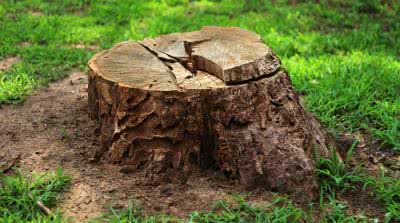
Nom
1.
souche, tronc
the part of a tree that is left in the ground after the rest of the tree has fallen or been cut down
Exemple:
•
We sat on the tree stump and enjoyed the view.
Nous nous sommes assis sur la souche d'arbre et avons profité de la vue.
•
The old stump was covered in moss.
La vieille souche était couverte de mousse.
2.
moignon, reste
the part of a limb or other body part remaining after the rest has been cut off
Exemple:
•
The surgeon carefully examined the stump of the amputated leg.
Le chirurgien a soigneusement examiné le moignon de la jambe amputée.
•
He had only a small stump left of his finger after the accident.
Il ne lui restait qu'un petit moignon de doigt après l'accident.
Verbe
1.
perplexer, déconcerter
to be unable to answer a question or solve a problem
Exemple:
•
The last question on the exam really stumped me.
La dernière question de l'examen m'a vraiment laissé perplexe.
•
He was completely stumped by the riddle.
Il était complètement perplexe devant l'énigme.
2.
3.
faire campagne, faire des discours
to travel around a country or area making political speeches
Exemple:
•
The candidate will stump through the swing states next week.
Le candidat va faire campagne dans les États pivots la semaine prochaine.
•
She spent months stumping for her party's policies.
Elle a passé des mois à faire campagne pour les politiques de son parti.
Synonyme:
Mot Associé: