Arti kata charge dalam bahasa Indonesia
Apa arti charge dalam bahasa Inggris? Mari pelajari arti, pengucapan, dan cara penggunaan kata ini bersama Lingoland
charge
US /tʃɑːrdʒ/
UK /tʃɑːdʒ/
Kata Kerja
1.
menagih, mengenakan biaya
to ask an amount of money for something, especially a service or activity
Contoh:
•
The restaurant charged us for water we didn't order.
Restoran itu menagih kami untuk air yang tidak kami pesan.
•
How much do you charge for a haircut?
Berapa banyak yang Anda kenakan untuk potong rambut?
2.
mendakwa, menuntut
to accuse someone officially of having done something illegal
Contoh:
•
He was charged with assault.
Dia didakwa dengan penyerangan.
•
The police decided not to charge her.
Polisi memutuskan untuk tidak menuntutnya.
Sinonim:
3.
Kata Benda
1.
2.
tuduhan, dakwaan
an official accusation that someone has committed a crime
Contoh:
•
He faces a charge of murder.
Dia menghadapi tuduhan pembunuhan.
•
The police dropped the charges against him.
Polisi membatalkan tuduhan terhadapnya.
Sinonim:
3.
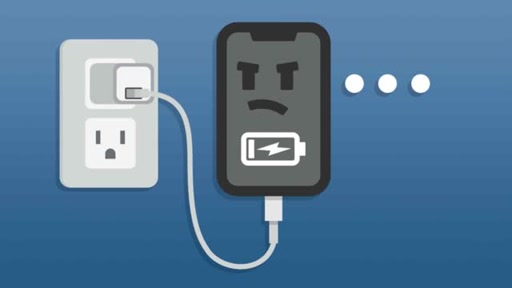
daya, muatan listrik
the amount of electricity contained in a battery or other device
Contoh:
•
The phone's battery has a low charge.
Baterai ponsel memiliki daya rendah.
•
He plugged in the laptop to get a full charge.
Dia mencolokkan laptop untuk mendapatkan daya penuh.
4.
serangan, penyerbuan
a military attack, especially a sudden and direct one
Contoh:
•
The cavalry made a brave charge against the enemy.
Kavaleri melakukan serangan berani terhadap musuh.
•
The police made a baton charge to disperse the crowd.
Polisi melakukan serangan tongkat untuk membubarkan kerumunan.
Kata Terkait: