pass
US /pæs/
UK /pɑːs/
동사
1.
2.
지나가다, 추월하다
go past or across; leave behind or to one side in going
예시:
•
We passed the old church on our way to the market.
시장 가는 길에 오래된 교회를 지나쳤다.
•
The runner passed his competitor in the final lap.
주자는 마지막 바퀴에서 경쟁자를 추월했다.
동의어:
3.
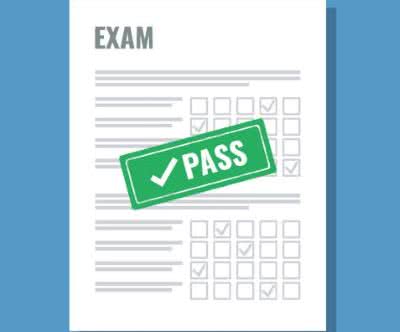
합격하다, 통과하다
succeed in an examination or test
예시:
•
She studied hard to pass her driving test.
그녀는 운전면허 시험에 합격하기 위해 열심히 공부했다.
•
I hope I pass all my exams this semester.
이번 학기에 모든 시험에 합격하기를 바란다.
반의어:
4.
5.
일어나다, 지나가다
happen or occur
예시:
•
What passed between them remains a mystery.
그들 사이에 무슨 일이 있었는지는 미스터리로 남아있다.
•
The event passed without any major incidents.
그 행사는 큰 사건 없이 지나갔다.
동의어:
명사
1.
합격, 통과
a successful completion of an examination or course
예시:
•
She got a pass on her final exam.
그녀는 기말고사에서 합격점을 받았다.
•
The course requires a pass in all modules.
이 과정은 모든 모듈에서 합격이 필요하다.
반의어:
2.
입장권, 출입증
a document or ticket allowing free entry or access
예시:
•
Do you have a concert pass?
콘서트 입장권 있어?
•
He showed his security pass at the gate.
그는 문에서 보안 출입증을 보여줬다.