Signification du mot hawk en français
Que signifie hawk en anglais ? Découvrez la signification, la prononciation et l'utilisation spécifique de ce mot avec Lingoland
hawk
US /hɑːk/
UK /hɔːk/
Nom
1.
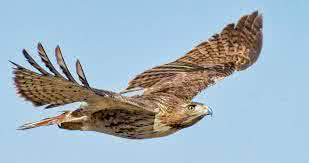
faucon, épervier
a diurnal bird of prey typically having short rounded wings and a long tail and a soaring flight, feeding on small birds and mammals.
Exemple:
•
A hawk circled high above the field, searching for prey.
Un faucon tournait en cercle haut au-dessus du champ, cherchant une proie.
•
The farmer used a scarecrow to keep the hawks away from his crops.
L'agriculteur a utilisé un épouvantail pour éloigner les faucons de ses cultures.
2.
faucon, partisan de la ligne dure
a person who advocates an aggressive or warlike policy, especially in foreign affairs.
Exemple:
•
The senator is known as a foreign policy hawk.
Le sénateur est connu comme un faucon en politique étrangère.
•
The debate was between the doves and the hawks.
Le débat était entre les colombes et les faucons.
Antonyme:
Verbe
1.
colporter, vendre à la criée
carry about and offer (goods) for sale, typically advertising them by shouting.
Exemple:
•
Street vendors hawk their wares to passersby.
Les vendeurs de rue colportent leurs marchandises aux passants.
•
He used to hawk newspapers on the street corner.
Il avait l'habitude de colporter des journaux au coin de la rue.
2.
racler la gorge, cracher
clear one's throat noisily; cough up phlegm.
Exemple:
•
He had to hawk several times before he could speak clearly.
Il a dû racler sa gorge plusieurs fois avant de pouvoir parler clairement.
•
The old man would often hawk and spit on the sidewalk.
Le vieil homme avait souvent l'habitude de cracher sur le trottoir.
Synonyme: